
CAAPA

Kweichow Moutai and Wuliangye are crossing over into the cultural tourism industry; liquor companies are starting to compete in the cultural tourism sector.

Source:

Author:

Release time:

2024-11-26


Click to view details


As the popularity of tourism continues to rise, the trend has also reached the liquor industry.


Editor-in-Chief | Yang Ming
Editor | Jing Xiangyuan
Source |
CTDU China Travel Union

Recently, the Sichuan Wuliangye Kangding Tourism Hotel project was launched. According to reports, the project's investment is tentatively set at 808 million yuan, and it will construct a five-star hotel integrating high-end accommodation, catering services, and entertainment performances. This year, Wuliangye has continuously increased its investment in the tourism market.

• Held an art exhibition themed "Harmonious Wuliang Sacred Mountain Cultural Creation," combining liquor culture with various cultural imagery to explore new expressions of liquor culture and create new cultural and creative experience scenarios.

• Collaborated with Shunan Tourism Group to launch a differentiated and recognizable strategic cultural and creative liquor product, "Mi Jian."

• Developed the Wuliangye 501 Ancient Distillery Pit Chinese Liquor Culture Holy Land project.

• Joined hands with the Sichuan Provincial Museum to hold a joint special exhibition themed "Shu Rhyme for a Thousand Years, Lively Distillery Fragrance," creating an immersive exploration journey of Sichuan liquor history and culture through non-heritage performances and interactive experiences.

Not only Wuliangye, but many well-known liquor companies such as Moutai, Jiannanchun, Luzhou Laojiao, and Fenjiu have also entered the tourism sector in various forms. In terms of the layout of "liquor + tourism," Moutai has made the biggest splash. Liquor and tourism integration is considered one of the three major industries by Moutai Group. It has not only reached strategic cooperation agreements with Changlong Group and Greenland, but also launched "Moutai Stations" integrating accommodation, catering, and shopping at major scenic spots in Guizhou.


Liquor Companies

Why do they all love cross-border tourism?


Cross-border tourism has many advantages. The booming tourism market in the past one or two years is obvious to all. Liquor companies have seen the huge potential and market space. According to professional institutions' predictions, the tourism industry will reach 7.3 trillion yuan by 2025. This huge market size provides new growth points and business opportunities for liquor companies.


Liquor companies' layout in tourism can not only enhance their brand image but also achieve industrial appreciation. Moutai's entry into the tourism industry not only meets its needs for developing diversified industries but also serves as a vehicle for making "liquor culture" tangible.

The most crucial point is the customer base of the tourism market. Nowadays, young people occupy half of the tourism market. Young people are the consumer group that liquor companies urgently need to expand. In catering to the young consumer market, liquor companies have racked their brains to explore "liquor +" products. For example, Moutai Group has successively launched the "+ Moutai" series of cultural and creative products, from Moutai ice cream and sauce-flavored coffee to liquor-filled chocolates. A series of innovative measures have been effective, and last year, Moutai's tourism cultural and creative product sales revenue exceeded 600 million yuan.


Liquor and Tourism Integration
From 1.0 to 3.0


Liquor and tourism integration is not just about cultural and creative products; it's more about the integration of scenarios and business formats.


In the 1.0 era, the liquor and tourism integration of liquor companies was a "pure sightseeing" model. During this period, the construction of liquor company wineries mainly included supporting facilities such as liquor company history exhibition halls (or brand experience centers), product exhibition areas, tasting reception areas, traditional brewing workshops, liquor body research and development experimental areas, and wine cellars, allowing tourists to understand the liquor company's production process and brand culture during their visit. This model had a relatively simple experience.


However, this model is no longer compatible with the current tourism market demand. With consumers' pursuit of experience, liquor and tourism integration has begun to gradually upgrade, and some liquor company projects are even more competitive than traditional tourism projects.

The 2.0 era of liquor and tourism integration added a wine tasting session on the basis of showcasing the history and origin of wine, the evolution of brewing technology, and brand stories, allowing tourists to taste wines of different vintages and flavors. There were also some wine-making experience sessions, or the integration of eating and lodging formats, or the holding of festivals and art performances related to wine culture, such as grape harvesting festivals held by wineries.

"Moutai Station" is a deep integration of fine wine, delicious food, and beautiful scenery, providing tourists with tasting, fruit drinks, food, cultural and creative products, brand culture, wine purchasing services, and many interactive mini-games.

In recent years, with the rise of "experiential" and "immersive" formats in the tourism market, in order to attract young people, liquor and tourism integration has continued to innovate. Nowadays, many liquor and tourism integration projects have entered the 3.0 era, with greater expansion in depth and breadth, forming a comprehensive tourism model with liquor as the core and multiple industries integrated. It not only covers the production, tasting, and cultural display of liquor but also integrates local natural landscapes, historical culture, folk customs, food and accommodation, and leisure and entertainment, creating a comprehensive and multi-layered tourism experience.

In terms of brand activities, for example, China Kengjiu held a "Health for a Thousand Years, Xi'an Wonderful Tour" event at the Xi'an Daming Palace National Heritage Park. The themed activity used health wine as a starting point, setting up interactive projects such as AI diagnosis, health wine mixing, sachet DIY, Baduanjin, and health disco, attracting many young people to wear Hanfu to check in and play.


In terms of project planning, for example, the Helan Mountain Resort currently under construction relies on the Helan Mountain East Foot wine industry, introducing high-end homestays, international luxury boutique hotels, and wild luxury camps, aiming to create a world-class wine experience resort destination. The project also integrates three or four dozen integrated business formats, including a wine lounge, Michelin-level restaurants, bars, art galleries, bookstores, bakeries, cafes, and wine-themed spas. It is reported that the project's later operation also plans to include a wine village, a wine exploration journey, and music festivals.

The 3.0 model of liquor and tourism integration meets the diverse and personalized needs of current tourists and has stronger market competitiveness and attractiveness than traditional liquor and tourism integration projects. However, this model places higher demands on the resource integration capabilities, planning and design capabilities, and operation and management capabilities of liquor companies and tourist destinations, requiring more investment in funds, manpower, and material resources for construction and operation.

In short, liquor and tourism integration has many benefits for the diversification of liquor companies, such as enriching consumer experience, adjusting industrial structure, and expanding brand influence. However, liquor and tourism integration is easier said than done because tourism and liquor are completely different industries, with significant differences in business scope, operating models, and target audiences. For example, tourism projects have a long investment return cycle, and the hot spots in the tourism market change rapidly. This requires project operators to carefully plan, constantly innovate, and respond flexibly to make liquor and tourism a second growth curve for liquor companies.


Recommended Important Tourism Events

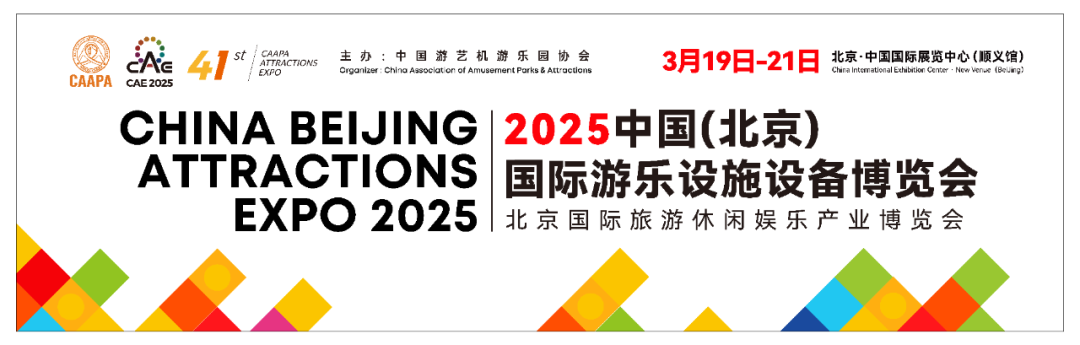
2025 China (Beijing) International Amusement Rides and Equipment Expo
2025 Beijing International Tourism, Leisure and Entertainment Industry Expo
March 19-21, held in Beijing!


Key words: