

Trendy toy economy, cultural and creative economy, Guzi economy... The consumption trends of the second half of 2025 are all in these five keywords!
Source:
Author:
Release time:
2025-05-29
Click to view details

The essence of "happy consumption" is "paying for meaning." The consumption wave of 2025 is actually consumers paying for emotional value, cultural identity, and social belonging. When people pay for emotional value, they are never just buying the product itself.
▲
Author | Zhang Yi
Editor-in-chief | Yang Ming
Editor | Jing Xiangyuan
Source | Innovation Business View
More than half of 2025 has passed. Consumer spending trends are always unexpected. The rapidly changing macro-environment has given young people a sense of absurdity and disorder, which has also led them back to the immediate present, shifting their attention more towards social enjoyment within their immediate reach.
When "spending money to be happy" is no longer a joke, and when the emotional value of a product gradually surpasses its practical value, a revolution concerning "happy consumption" is taking place. This article combines industry trends and typical cases to analyze the opportunities behind this consumption.

Source: Xiaohongshu @Zhetong Hui
What is "happy consumption"?
In the past, people cared more about "whether it is useful" and "whether it is cost-effective." Now, consumption decisions often only require a simple reason - "I like it."
"Happy consumption" is a consumption model centered on emotional value, mainly emphasizing the satisfaction of consumers' emotional needs, immediate pleasure, and self-identity through goods or services. According to the "China Youth Netizen Social Mentality Survey Report," 46.28% of young people regard "pleasing themselves" as a consumption motive and are more inclined to pay for experiential consumption such as happiness, travel, and performances, as the memory retention they bring far exceeds that of material goods.

Unlike traditional functional consumption, the essence of "happy consumption" is the symbolic and experiential consumption behavior that consumers engage in to obtain psychological satisfaction. A cup of milk tea is about the relaxation felt while shopping with friends; an ornament displays one's love for a certain anime character; a cultural and creative product represents a sense of closeness to traditional culture.
The happiness brought by these consumptions may be short-lived, but it's like a "band-aid," allowing one to temporarily forget pressure and find momentary healing. They are not only consumption behaviors but also a reflection of community belonging.
Trendy Toy Economy: The "Social Password" for Adults
Today, trendy toys play a very important role in creating a social environment in shopping malls. It's no exaggeration to say that trendy toy IPs occupy half of the market share in the common shopping mall social spaces we see today, even becoming a new commercial species that leverages a market worth hundreds of billions. The history of "trendy toys" is short; some say it originated in Hong Kong street culture around 2000, only about 20 years ago. Designers infuse the unique trendy toy blind boxes or figurines with the soul and characteristics of specific IPs, which have been enthusiastically pursued by many, especially young people, who are the main force behind trendy toy consumption.
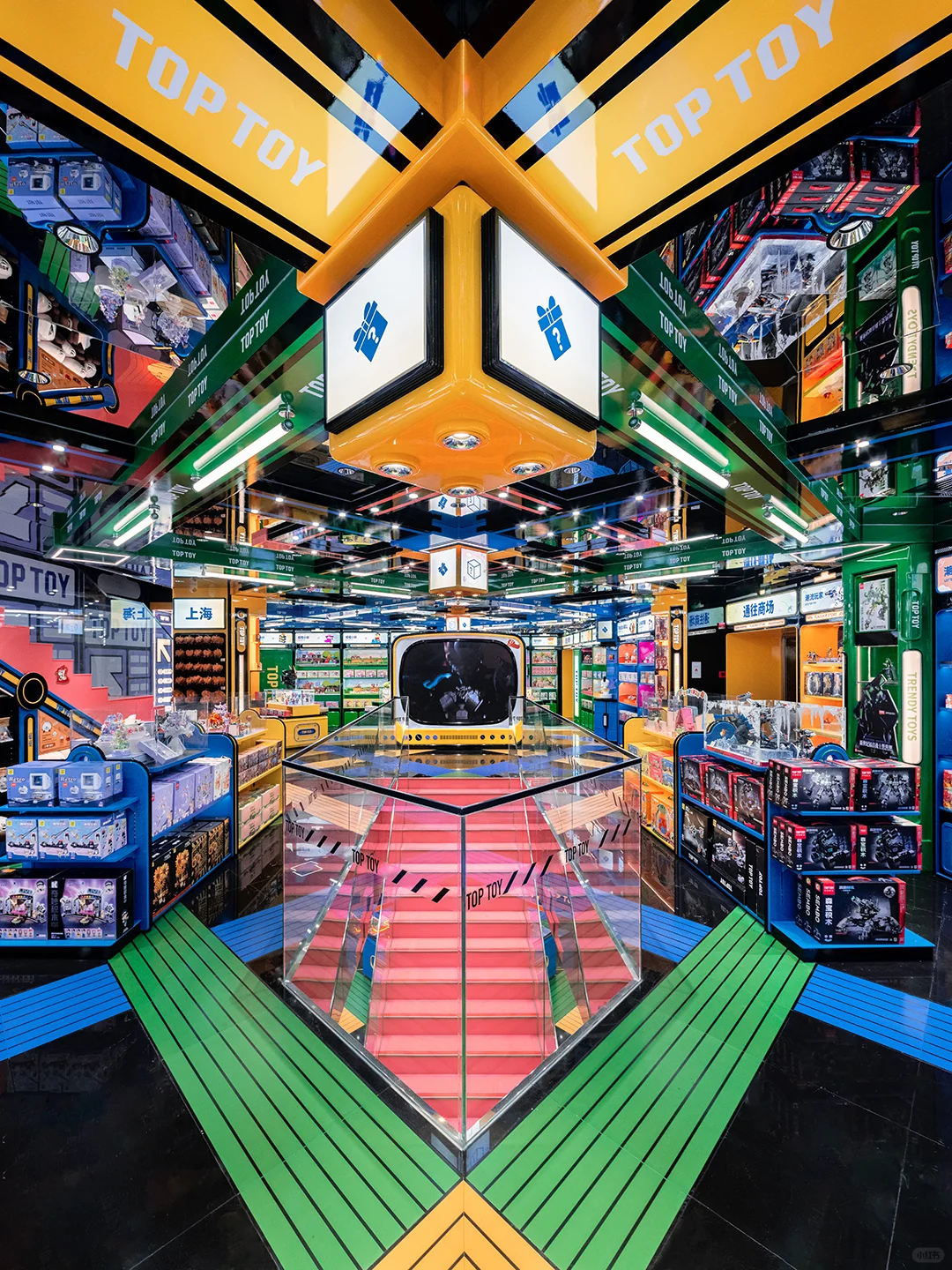 Source: Xiaohongshu @Elissa.
Unlike traditional toys, trendy toy products are more like memory symbols, containing the unique memories of trendy toy users. Because of this characteristic, they have become particularly popular online in recent years, no less than antique collectors. The core value of trendy toys has long surpassed that of "toys" themselves. By building immersive social scenes, they have become an important medium for young people to express their individuality and connect with like-minded individuals.
The "China Trendy Toys and Anime Industry Development Report (2024)" shows that the "trendy toy" industry has grown nearly tenfold in eight years, with the total market value increasing from 6.3 billion yuan in 2015 to 60 billion yuan in 2023. It is expected that the total market value will reach 110.1 billion yuan in 2026. Behind this explosion is the combined effect of "emotional economy + scene innovation." Leading player Pop Mart has contributed enviable financial reports, achieving annual revenue of 13.04 billion yuan, a year-on-year increase of 106.9%, and adjusted net profit of 3.4 billion yuan, a year-on-year increase of 185.9%, with its stock price soaring.
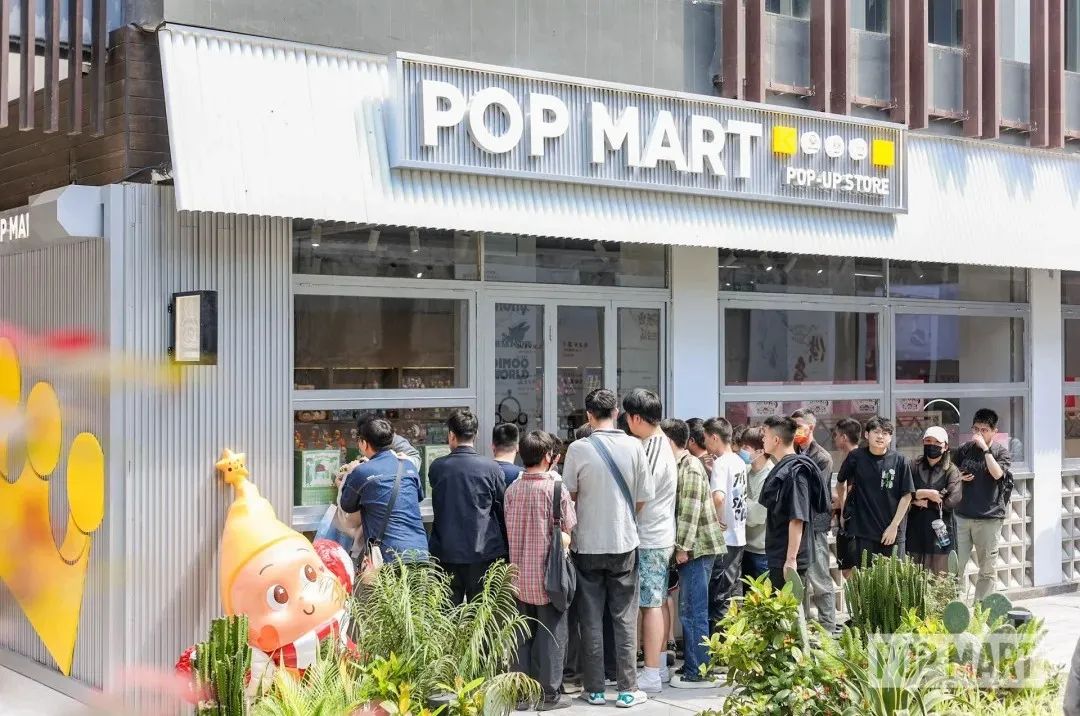
The "gambler-style" unboxing experience of blind boxes essentially uses the "dopamine pleasure" and "loss aversion psychology" in human nature to create a consumption cycle. Consumers continue to repurchase in pursuit of unknown surprises, while the scarcity of hidden and limited editions has transformed them into "hard currency" in social circles.
On Xiaohongshu, notes showing hidden blind boxes have an average of over 2,000 likes, and the comment section often contains keywords such as "looking to buy" and "high price purchase"; on Douyin, bloggers with over one million views on unboxing videos have over 60% trendy toy enthusiasts among their fans. The "social visibility" of blind boxes has become a tool for young people to define their circles and showcase their taste.
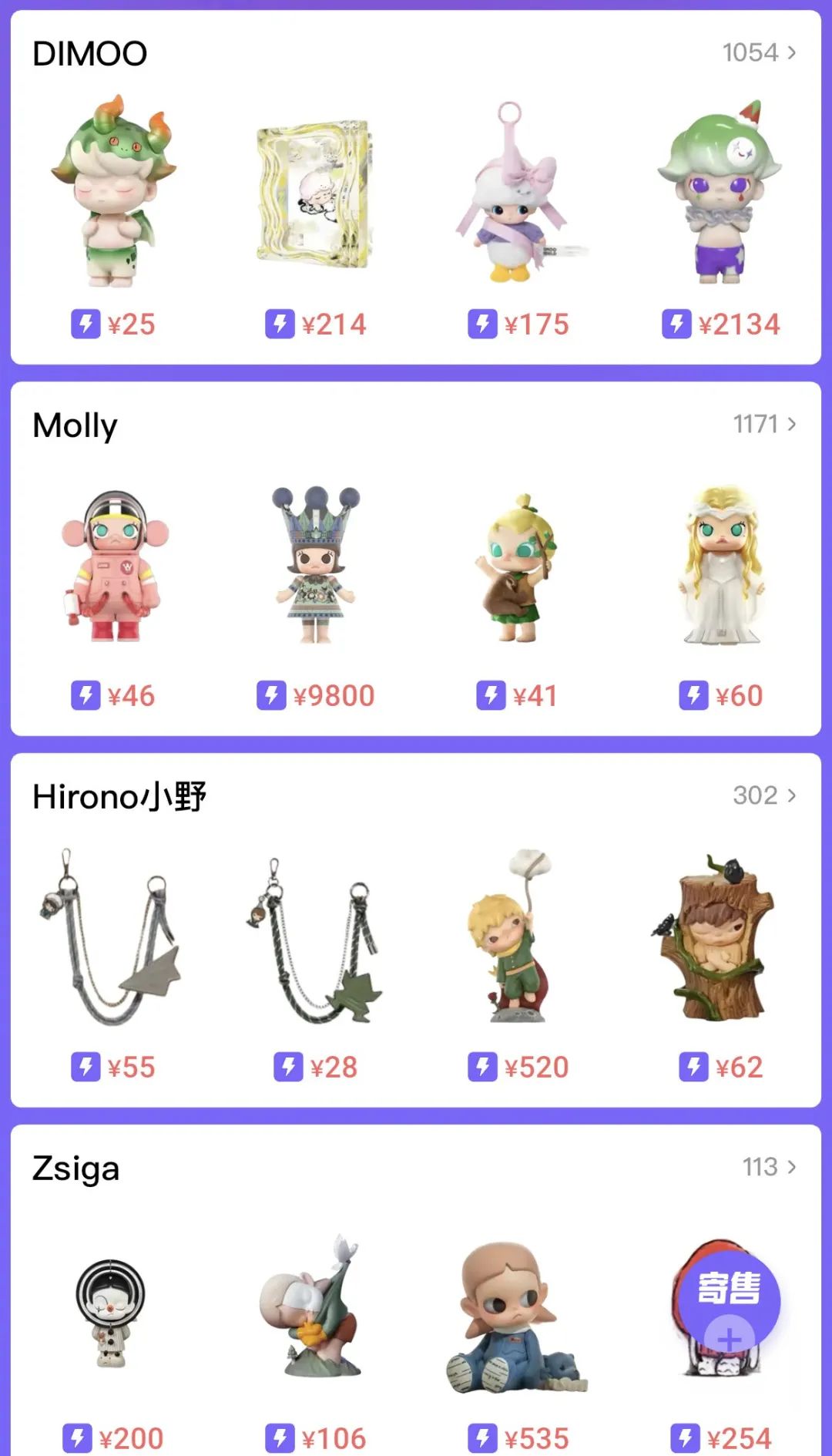
It has even sparked a buying frenzy in overseas markets. In Los Angeles, the line outside the LABUBU store was "endless," and the Pop Mart app topped the US App Store shopping chart the day after its launch and ranked fourth on the free overall chart; the resale market markup is as high as 300%, with some rare blind boxes soaring to more than five times their original price.
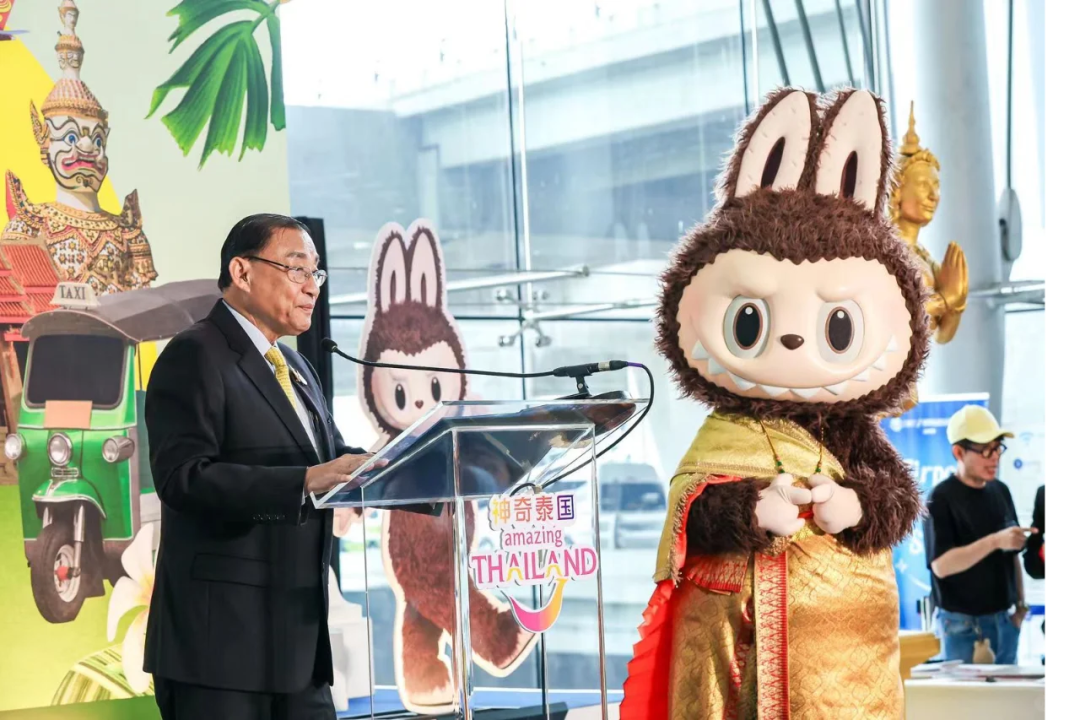
At global landmarks such as the Eiffel Tower in Paris and Times Square in New York, giant LABUBU installations are displayed alongside local cultural elements, attracting millions of tourists to check in; foreign media have described the LABUBU phenomenon as "the globalization breakthrough of Chinese trendy toy IPs."
A while ago, Hangzhou Kerry Center and the trendy toy brand POP MART collaborated to create the nation's first THE MONSTERS Forest Secret Base, based on the core concept of "scene as content," transforming trendy toy IPs from "collectibles" into an interactive and consumable cultural experience. The 5-meter-tall LABUBU giant sculpture in the mall atrium looks like a "big toy." Unlike ordinary check-in installations, Kerry Center has embedded AR mechanisms and clues underneath. Tourists have to tiptoe to reach the tree hole in the "magic swamp," imprint totems in the "elf tree house," and collect stamps to exchange for blind boxes.
This event didn't just become a "young people's self-indulgence" within the trendy toy circle, but precisely targeted the needs of three generations. Young people flocked to it for the hidden blind boxes, Hangzhou limited editions, and designer signing events, all vying for the first release and inflated prices. A "Spirit Workshop" parent-child craft area and glowing mushroom seats, designed specifically for families with children, were created, along with "family mission packs," boosting the growth of children's dining and toy retail businesses within the mall. Furthermore, the mall collaborated with the Hangzhou Tourism Bureau to launch a "trendy toy themed tourism route," allowing tourists to explore West Lake on the "LABUBU Spirit Bus." Bus stops and scenic AR check-in points were all filled with IP elements, even attracting out-of-town tourists to search for "Hangzhou trendy toy guides" on Xiaohongshu, adding a new tag to the city's tourism.

It's not just Hangzhou Kerry Centre; commercial complexes like Beijing Chaoyang Joy City and Shanghai Jing'an Joy City have also attracted flagship trendy toy stores and held IP exhibitions to create a "check-in economy." Simply put, it's about making trendy toy IPs "down-to-earth," allowing ordinary people to play with, buy, and show off these items, while also adding new cultural elements to the city.
In short, in the recent development trend of "trendy toys," its circle culture has shifted from "niche" to "mainstream." The online popularity of the trendy toy industry in China shows that the "hot topics" related to trendy toys exceed our imagination.

Childlike Fun Economy: Don't want to grow up, but can reminisce
"Too childish for children, just right for adults."
Walking into the shopping malls of first-tier cities, you'll find some interesting phenomena: Pikachu collaboration T-shirts hang in fast-fashion stores, beauty brands collaborate with Disney to launch princess-themed eyeshadow palettes, and even home furnishing stores are filled with cartoon-shaped tableware. The main buyers of these products are not children, but adults.

In a fast-paced and stressful life, "preserving a childlike heart" has become a stress-relieving method for young people. People's shopping motivations have changed; the yearning for childhood memories has spawned a booming childlike fun economy market, with many daily necessities and trendy items incorporating childlike designs.
Jellycat's New York store uses a personified "playing house" marketing strategy. The brand accompanies adults in playing house, becoming popular through emotional value, with annual sales reaching 1.8 billion yuan. The brand's immersive "playing house" experience, personified emotional companionship, and the influence of celebrities have continuously boosted its popularity, providing warmth and healing while quickly attracting money.
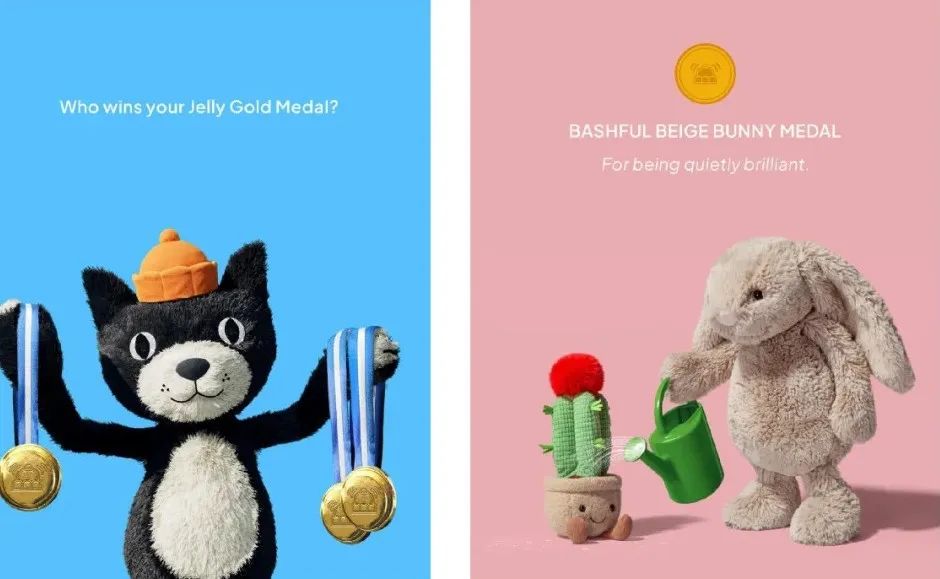
Moreover, the boundaries of childlike fun consumption are being completely broken, extending from children's necessities to adult nostalgia and elderly stress relief. In Lego's "retirement life series," users over 55 years old contributed the majority of sales. The assembly process not only relieves stress but also becomes a new way for the elderly to socialize. The nostalgic needs of adult consumers are driving the revival of classic IPs. Products like replica Harry Potter magic book models and retro game consoles attract the 80s and 90s generations to pay for their childhood memories.
Creative Economy: This generation of creative products is a bit "disruptive"
The creative industry, through the integration of "cultural IP + life scenes," forms a complete ecosystem covering daily consumption.
The Palace Museum's creative products have annual revenue exceeding 1.5 billion yuan, and the National Museum's "Phoenix Crown Fridge Magnets" have accumulated sales exceeding one million pieces. Designers simplified the complex structure of Empress Xiaoxian's nine-dragon nine-phoenix crown into a five-layer design, retaining the essence of the cultural relic while adapting it to modern home settings. Gansu Province designed mala tang as plush toys, Xi'an launched "Rong Momo" dolls, transforming food culture into cute merchandise. Zhuzhou Museum's "Emperor Yan Blind Boxes" and "Red Slogan Pillows," using humor to convey historical memories, have become popular souvenirs for tourists.
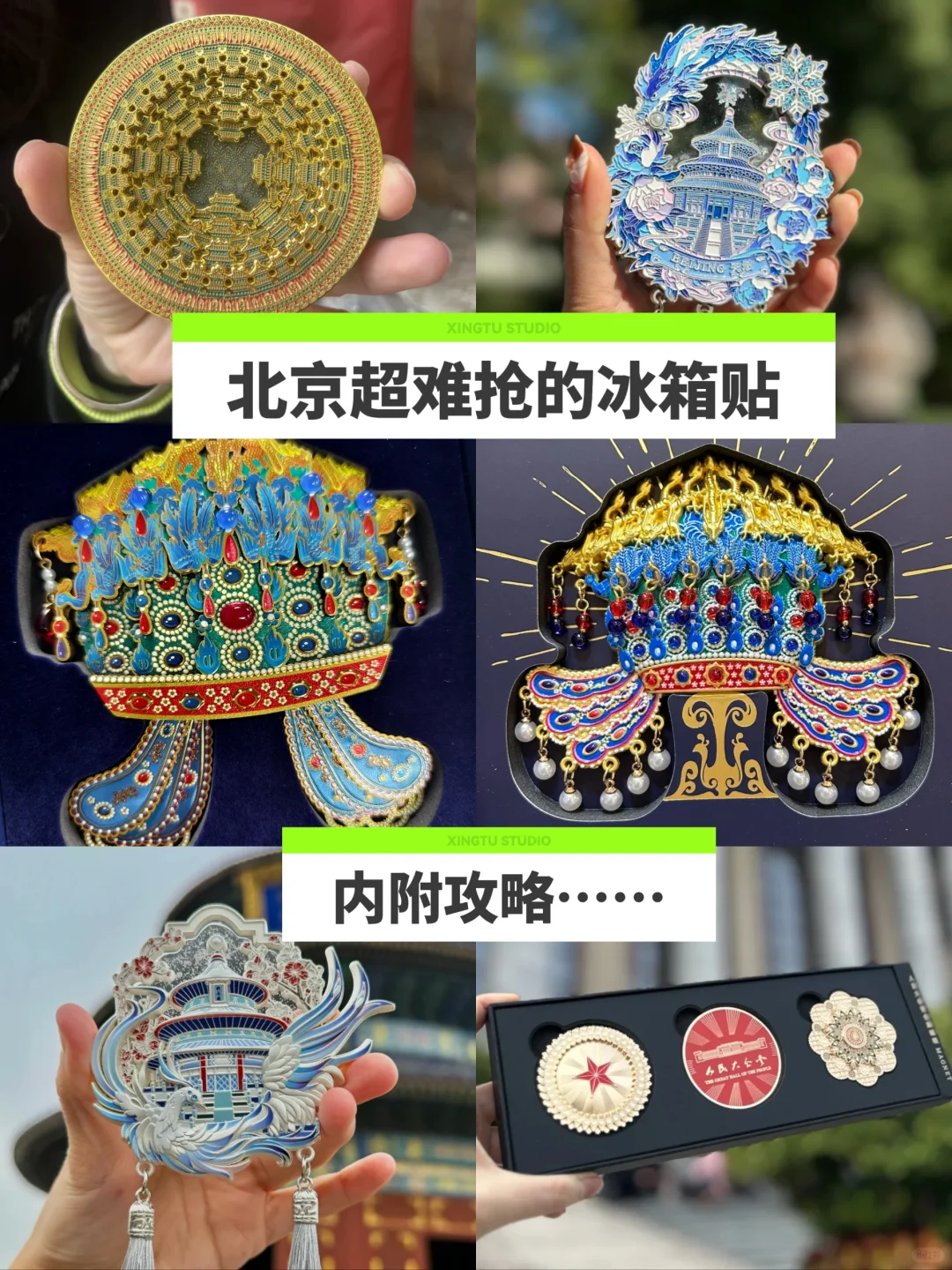
Source: Xiaohongshu @南风北巷-代买
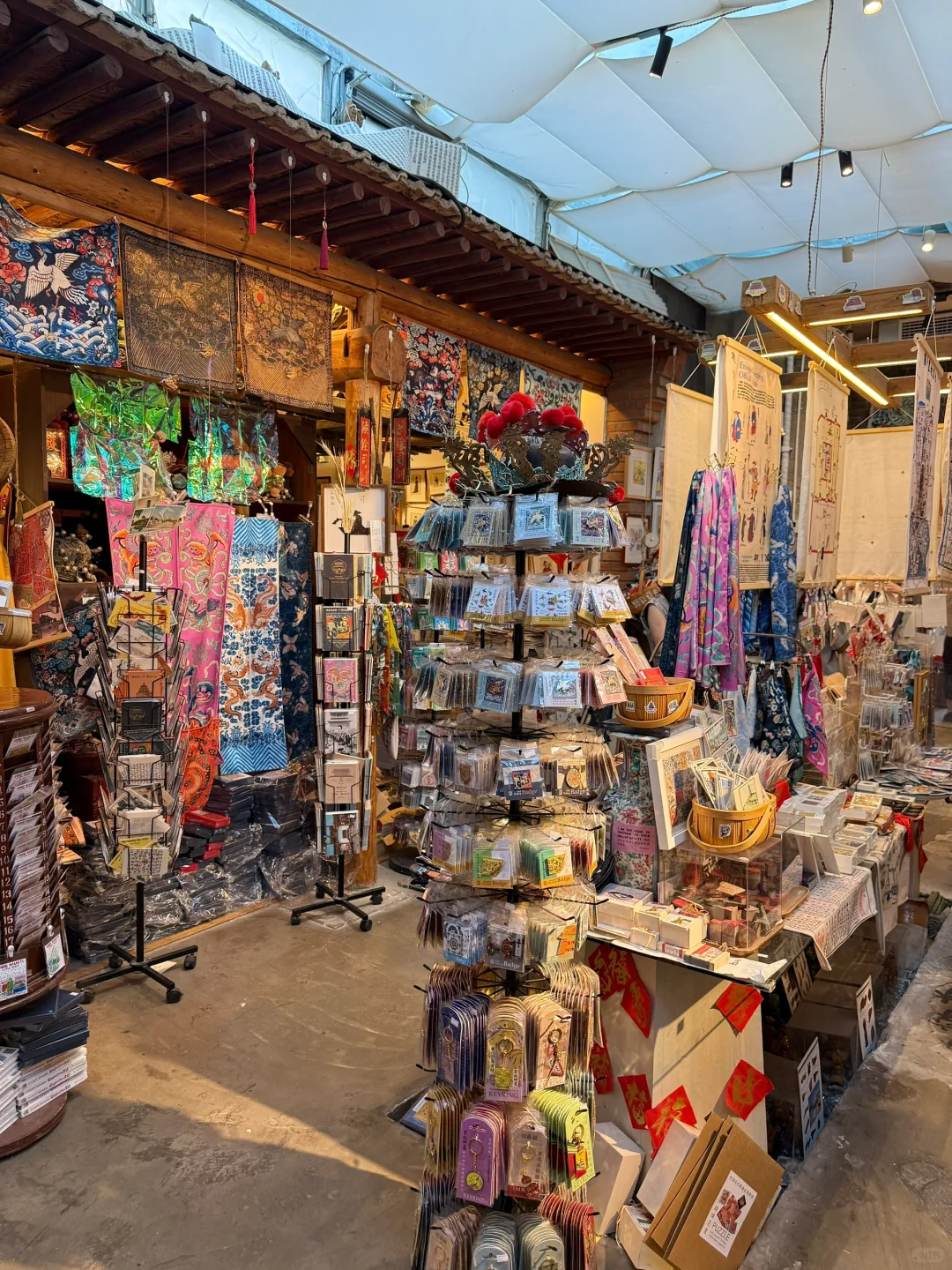
In addition to super IPs like the Palace Museum, a batch of creative product stores focusing on "local culture" are emerging. They use "lightweight narratives + scenario-based experiences" to allow regional culture to break through geographical limitations. For example, at Weipo · Xinxu's Wild Dog Store, an old house is transformed into a "rural literature laboratory," with bookshelves embedded in rammed earth walls, and villagers' oral history workshops are held regularly. Another store, Zhiyang Store, uses the concept of "healing modern anxiety" to sell creative products with imaginative designs, such as itch relief tools printed with the "Lanting Preface" and stress-relieving squeeze toys shaped like Luoyang water banquets. These managers are not simply "moving in" but are deeply bound to the village's creative products.
The logic behind the popularity of creative products also lies in the "lightweight sense of cultural participation." The Henan Provincial Museum's "archaeological blind boxes" bury bronze ware replicas in soil blocks, and consumers excavate them using the provided Luoyang shovel. Xiaohongshu has over 5,000 videos of people "digging"; the Palace Museum's "A Thousand Li River and Mountains" painting has been made into a stress-relieving notebook, with blank pages for calligraphy practice printed with an imperial seal area saying "I have reviewed," allowing users to experience being an emperor.
Merchandise Economy: The Second Dimension Consumption Continues to Break Through Circles
Among those who like anime and games, the appeal of "merchandise" is comparable to gold. Badges, stands, acrylic pendants... these inexpensive small items can trigger fanatical collecting among fans. This year, the "merchandise economy" market size exceeded 160 billion yuan, with domestic IP transactions exceeding Japanese merchandise by 1.2 times. The circle identity and emotional companionship needs of the new generation of consumers are the main factors driving continuous growth.
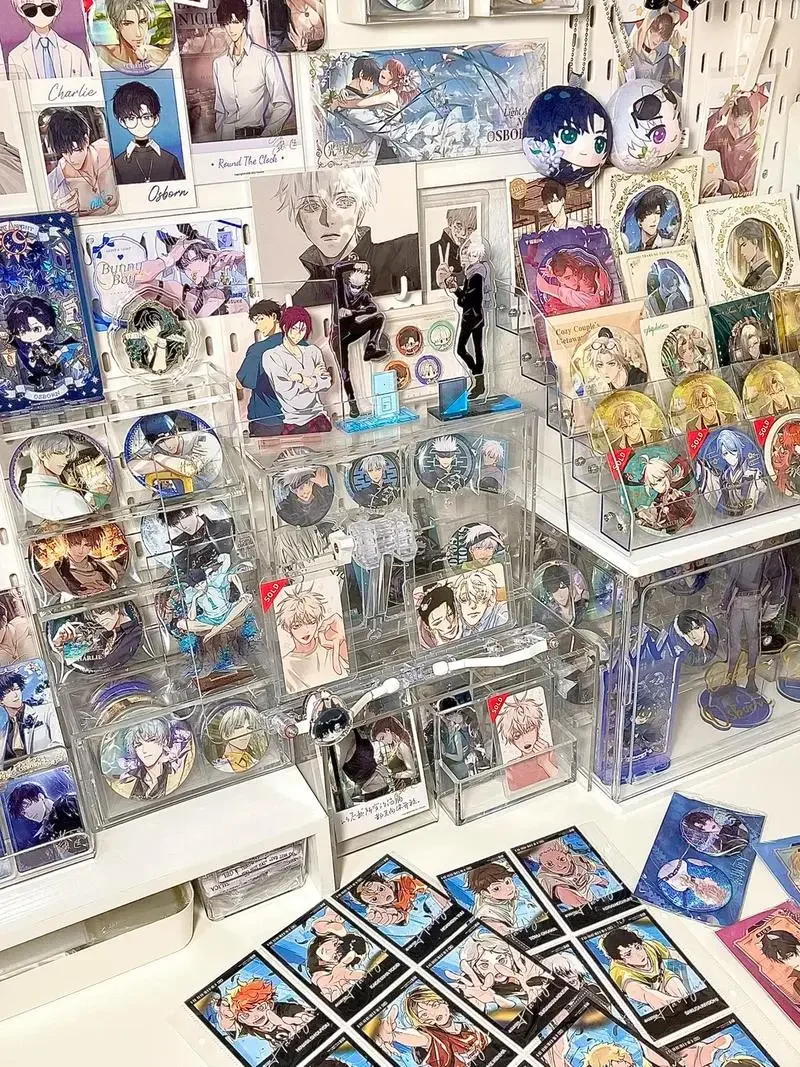
Source: Xiaohongshu @momo陪你学英语
In 2025, the busiest floors in traditional shopping malls will often not be luxury brand counters, but "merchandise areas" crowded with young people, with shelves filled with anime badges, stands, and pendants. This craze for second-dimension consumption, known as the "merchandise economy," is becoming a "magic bullet" for saving old shopping malls.
Shanghai Bailian ZX Chuangquichang is the first full-floor second-dimension themed shopping mall in China. It brings together official stores of more than 50 top IPs. The Bandai Namco flagship store is filled with life-size figures from "Demon Slayer," and the shelves of Animate's first store in China are filled with "Jujutsu Kaisen" merchandise. There's even a "Genshin Impact" themed restaurant, crowded with young people every day. Beijing Wangfujing Xiyue Shopping Center has also transformed its underground second floor into a second-dimension themed space, becoming a must-visit place for fans to "shop."
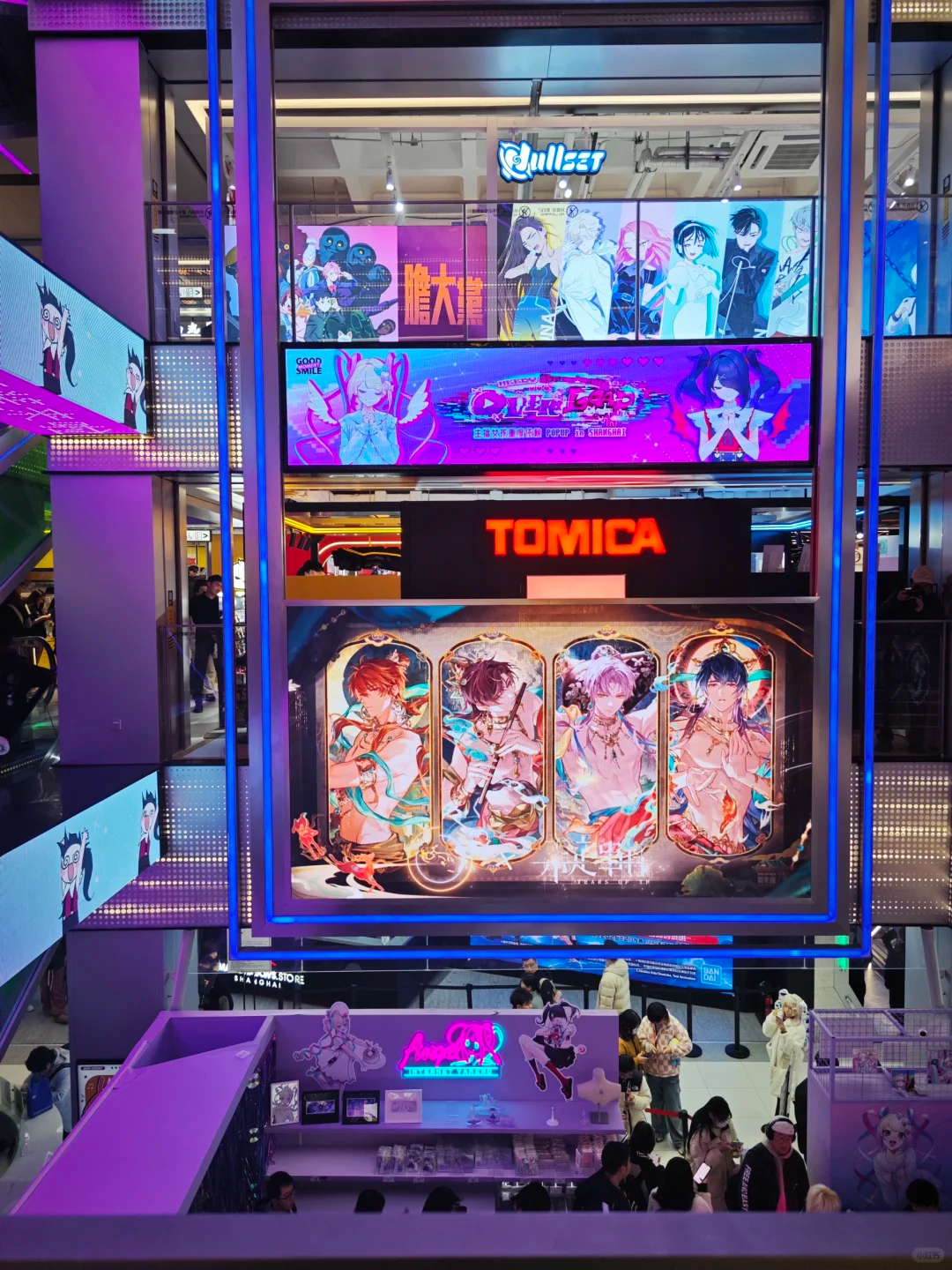
In recent years, the rise of domestic IPs has further promoted the localization of the merchandise economy. For example, fans of popular characters' badges from games like "Genshin Impact" and "Love and Deep Space" will run around online and offline stores to collect a complete set; keychains with limited releases at anime conventions may even require overnight queuing. These behaviors may seem incomprehensible to outsiders, but for "merchandise enthusiasts," the collecting process itself is a joy of interacting with like-minded people, and each small item carries emotional attachment to the characters.

However, when
The essence of
The essence of
The consumption trend of 2025 is consumers paying for emotional value, cultural identity, and social belonging. When people pay for emotional value, they are never just buying the product itself.
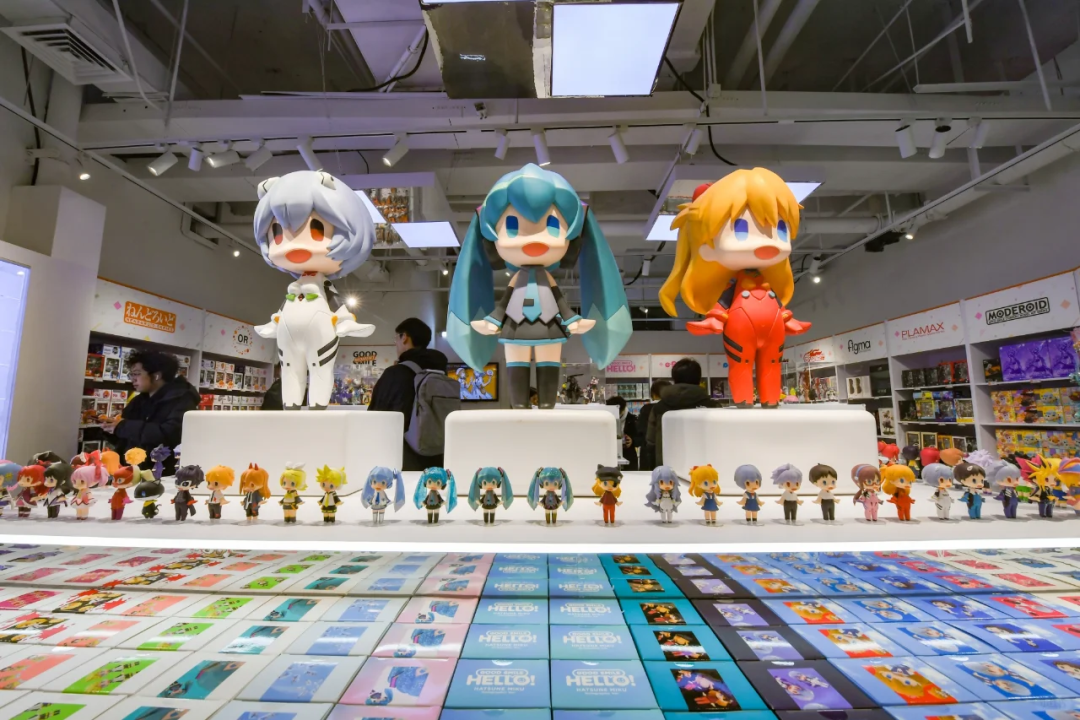
Behind a blind box, there might be a lonely youth's need for companionship; a cartoon T-shirt might hide a worker's stubborn insistence on maintaining childlike innocence in the workplace; and the popularity of cultural and creative products implies young people's longing for cultural identity. Whether it's a shopping mall or a brand, only by deeply cultivating IP value and innovating experiential scenarios can they win the future in this
Key Cultural Tourism Activities Recommended
2025 China Family Tourism Innovation and Development Forum
June 12-13 · Crowne Plaza Shanghai Jinshan

Key words:



CHINA ASSOCIATION OF AMUSEMENT PARKS AND ATTRACTIONS
Copyright: China Association of Amusement Parks and Attractions
E-mail:cae@caapa.org
Tel:+86-010-57690332
Address: Room405 Building#5 Gucheng South Street Shijingshan District Beijing China


Official
Account

Expo Official
Account